Day 10
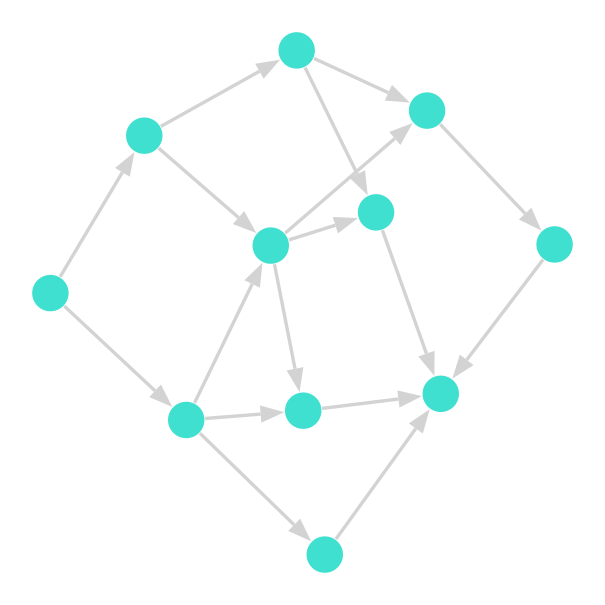
Pathfinding… but this time I made an effort to have a go (not from scratch, but with the help of Graphs.jl and GraphPlot.jl).
Tips for first problem
- Parse the input into lines, the split on the
:and,to get the source node and target nodes. The target nodes are then space separated. - It’s a directed graph, so edges go from source to each target node.
- I used a
Dict{String, Int}to map node names to integer indices for the graph.
g = SimpleDiGraph(length(all_nodes))
# for each node
#.    for each target, add an each
      add_edge!(g, src_idx, tgt_idx)
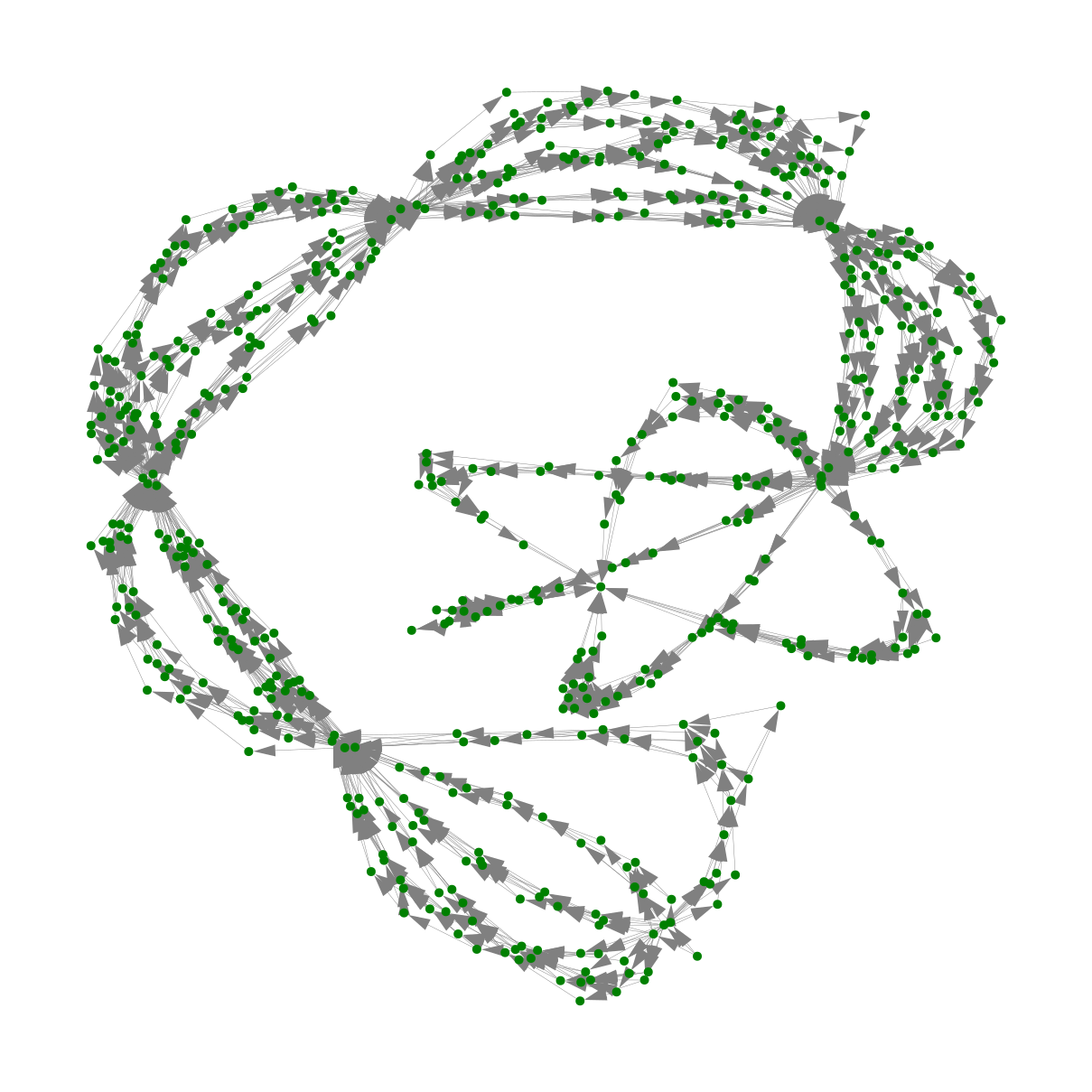
Second problem
Same setup as the first, but now we need to find all simple paths from node srv to node out but also visit fft and dac somewhere along the way.
Simple minded approach: given the datastructure above, we can use all_simple_paths again, but filter the results to only those paths that contain the required nodes. The only problem is that this is very hard (NP-hard) in general, so brute force is not an option
I tried using a depth-first search with some checks to make sure no self-intersecting paths… but had to get help from ChatGPT to get a working solution (no CS deegree, remeber - haha).
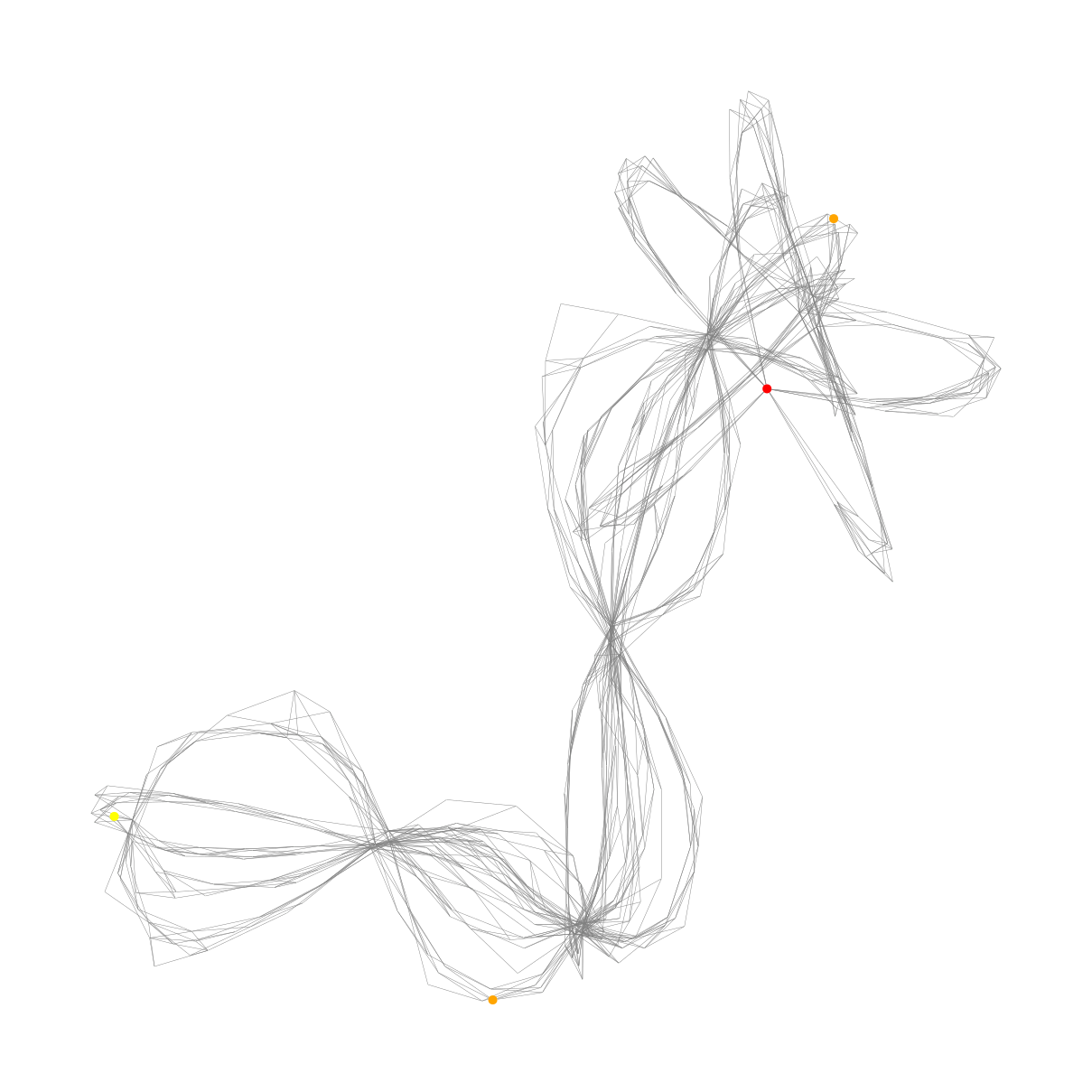
But I made a nice visualization of the graph to show what’s what – first steps in the right direction, I guess: see below.
yellow [start] -> orange [required nodes] -> red [end]
Code
Julia solution
Julia code / solution for the first part of that problem - that was very quick / no hiccups.
Julia code / non-solution for the second part of that problem. But code shows how to visualize the graph with `GraphPlot.jl` and adjust properties like node color and size.